What this looks like
for your operation

Practical information about route optimisation and fleet tracking implementation for small and medium delivery businesses across Portugal.

Operations that look like this

Regional distributors

Companies distributing goods across one or more Portuguese districts, operating between five and fifty vehicles, with routes planned daily or weekly by a dispatcher or the owner.

Last-mile delivery operations

Businesses handling the final leg of delivery to homes, businesses or collection points. Operations where delivery windows matter and late arrivals have direct consequences.

Manufacturer own-fleet

Producers who operate their own delivery vehicles rather than outsourcing — food manufacturers, building material suppliers, agricultural distributors with their own transport arm.

Specialised freight

Operations with specific requirements — temperature-controlled vehicles, fragile goods, timed pharmaceutical deliveries — where route efficiency intersects with compliance.

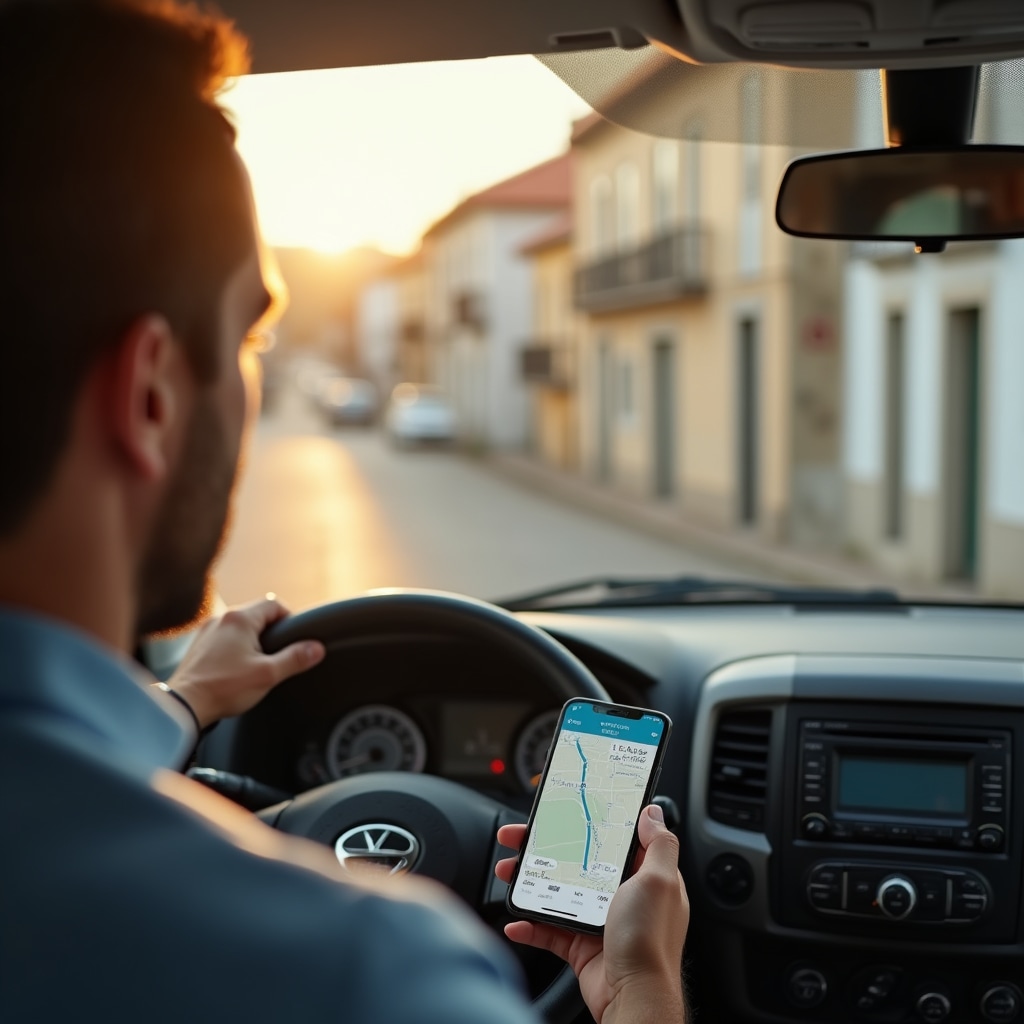
Delivery driver using route optimisation app on smartphone mounted in vehicle cab

What changes — and what doesn't

Your drivers still drive. Your dispatchers still plan. Your vehicles still carry the same goods to the same customers. What changes is the information available when making route decisions — and how that information is acted upon.

Route planning software doesn't replace the knowledge your experienced drivers carry. It gives that knowledge a better foundation — live traffic data, optimised stop sequences, time window calculations — so that the decisions your team makes are based on more complete information.

GPS tracking doesn't monitor drivers in a punitive way. It gives your office team visibility of where vehicles are, helps answer customer queries about delivery timing and produces the data your operation needs to improve over time.

How we approach the implementation

What to expect from
the implementation process

Timeline

The audit, software selection and configuration phase typically takes several weeks, depending on fleet size and the complexity of your delivery network. Driver training follows, and then the three-month support period begins from go-live.

Your team's involvement

We need access to your dispatchers, drivers and whoever currently plans routes. The audit involves conversations and observation. Training requires drivers to be available for sessions. After go-live, the support period requires your team to engage with questions rather than revert to old habits.

Technology involved

GPS tracking units installed in vehicles. Route planning software accessible via desktop for dispatchers and via mobile app for drivers. We select hardware and software appropriate for your fleet — not the most expensive option, and not the cheapest if it won't serve the operation reliably.

After the support period

At the end of three months, your team should be running the system independently. The software providers offer their own ongoing support. We can discuss extended arrangements if your operation requires ongoing involvement, but the standard scope is designed to reach independence.

What the operation looks like
after implementation

Routes planned in minutes

Instead of a dispatcher spending an hour organising the next day's routes by hand, the software generates an optimised sequence in minutes. The dispatcher reviews, adjusts where needed and confirms.

Office visibility of the fleet

Your office team can see where every vehicle is at any point in the day. Customer queries about delivery timing are answered with actual data rather than a call to the driver.

Drivers finishing on time

Routes built with realistic time windows and optimised sequences mean drivers complete their shifts closer to the scheduled end time. Less overtime, less driver fatigue, fewer late-evening calls from the road.

Reduced fuel consumption

Shorter, more logical routes mean fewer kilometres driven. Fewer kilometres means less fuel. The reduction accumulates over weeks and months into a meaningful change in operating costs.

Commonly asked questions

No. GPS tracking units are fitted to your existing vehicles. Route planning software runs on the devices your dispatchers and drivers already have or on new hardware we help you select. There is no requirement to change vehicles.

Resistance is common and expected. Drivers who have worked the same routes for years naturally have reservations about software that appears to second-guess their experience. Our training approach acknowledges this — we explain what the system does, what it doesn't do, and how it supports rather than replaces their knowledge. The three-month support period exists partly because this adjustment takes time.

We don't work with a single software provider. We select the tools that fit your operation after the audit. The options we consider vary by fleet size, delivery type, budget and the specific requirements of your routes. We explain the options and the reasoning behind our recommendation.

Yes. We work with delivery operations across Portugal. Our office is in Valongo but we travel for audits, installations and training. Remote support is available for the ongoing support period where on-site presence isn't required.

The software providers offer their own support channels. Your team will have been using the system for three months and should be capable of running it independently. If your operation has specific needs that warrant continued involvement, we can discuss extended arrangements separately.

Discuss your operation
with our team

Every implementation begins with understanding your current routes. Contact us to arrange an initial conversation.